Buying Property Abroad: A Long-Term Strategy to Preserve and Grow Wealth
September 12, 2025 International real estate 23 min read
For investors, buying property abroad can deliver value on several levels: a safe haven for wealth in a hard currency, a steady international income stream, and greater freedom of movement, with the option for the whole family to settle abroad. Overseas real estate has long been more than a way for global investors to grow their wealth; it is also a solid “Plan B” that helps protect a family against unpredictable events.
A growing number of investors are choosing to own property abroad for the distinct advantages it offers. After the United States, Australia, and Canada, European real estate markets have risen to prominence in recent years and become a popular destination for investors worldwide. In this article, IMM Group examines in detail the strategic value of owning international real estate.
Strategic benefits of buying property abroad
1. Portfolio diversification and preserving wealth in a hard currency
Owning assets in several countries follows the principle of not putting all your eggs in one basket. Because property markets in different countries largely move on their own cycles, holding property in more than one country can help protect a portfolio against localized downturns. Property values in developed markets have also tended to hold up and grow over the long term, even though they can be affected in the short term by economic cycles.
For one long-standing investor, real estate has always been a secure long-term investment, so his family holds most of its wealth in property. Beyond his home market, he also owns several apartments and houses in European countries. “Of course, rental yields in Europe can’t compete with the gains you can make riding a fast-moving market,” he says. “But I’m not looking to ride a wave. I’m building a stable, euro-denominated asset base for the next generation. That is the real value of this kind of investment, with freehold ownership protected by law.”
Price growth may be slower than in some fast-moving markets, but it tends to be steadier and more sustainable. Property in established overseas markets is typically bought and sold in a hard currency, which also makes it an effective way to diversify your currency holdings.
2. Generating passive income in euros or US dollars
Beyond its potential for future appreciation, overseas property can also generate passive income. In countries such as Cyprus, Greece, and Türkiye, demand for both short- and long-term rentals is strong. Rents in these markets have continued to rise, with no clear sign of cooling at the time of writing.
Istanbul, Türkiye, is a prime example: a bustling megacity and economic hub bridging Asia and Europe, home to more than 16 million people. The city hosts the headquarters of many global companies and major media organizations. It is also the world’s second most visited city, with 23 million international arrivals according to Euromonitor International, which sustains a vibrant rental market.
According to Global Property Guide, average house prices in Istanbul rose by about 29.6% year on year in nominal terms (as of January 2025). Adjusted for inflation, however, real house prices fell by 8.8%.
With inflation rising, counting on price appreciation alone is not enough. Strategic investors look to something steadier: regular rental income in a hard currency such as the US dollar or the euro. While property values may fluctuate with the economic cycle, passive income anchored in a hard currency can act as a solid financial foundation, helping to preserve the value of your assets and support long-term returns.
3. Investing in the next generation: property in international education hubs
Many families regard their children’s overseas education as one of the most important investments in their future. Rather than paying rent every month, buying a property in the country where your child studies is a multi-purpose strategy: it meets your child’s housing needs, creates an asset with appreciation potential, and can even generate passive income.
To give her child a stable home while studying in Cyprus, one of our clients chose to buy an apartment in Paralimni rather than rent. With a reasonable outlay, the family now owns a 3-bedroom apartment. This not only solved the housing question but also produces income, as her child sublets the 2 spare rooms to other students.
Cyprus invests around 5% of GDP in education each year, and its education system operates to European quality standards. Several of its well-regarded universities feature in international rankings. Tuition is affordable, averaging around €6,800 a year at public universities, significantly less than in the United Kingdom (roughly one-half to one-third of typical costs). The island is home to around 29,500 international students from more than 100 countries, which keeps demand for student housing consistently high.
Owning property does not automatically confer long-term residence rights. For you and your eligible family members to obtain them, you need to qualify under an investment program set by the host country, such as Cyprus permanent residence, which requires a minimum investment of €300,000 (approximately US$336,000).
| Explore real estate projects in Cyprus
4. Building a “Plan B”: a place to settle and a safe haven amid global uncertainty
In a world shaped by many unpredictable variables, creating a “Plan B” has become a strategic priority for forward-looking families. The goal is not simply to own an asset abroad, but to build a solid base: a genuine “second home” the family can move to whenever the need arises.
The core value of this plan lies not in the property itself but in the legal right of residence that comes with it. Stable Southern European countries such as Cyprus and Greece are natural choices for a “Plan B.” Both offer a mild climate and a high quality of life, as well as permanent residence or Golden Visa programs linked to real estate investment. With residence rights there, you and your eligible family members can live in a safe environment and access Europe’s advanced healthcare and education systems.
In this way, real estate becomes more than a purely financial investment. It becomes a strategic tool for securing safety, flexibility, and a lasting future for the whole family, and it delivers its greatest value: peace of mind.
5. Convenient travel and retirement abroad
Owning property abroad also lets your family enjoy holidays together and can anchor a long-term retirement plan. Southern European countries such as Greece and Cyprus are regularly ranked among the most attractive retirement destinations for their climate, cost of living, and quality of life. To put this plan into action, investors can consider transparent, lawful residence-by-investment programs such as the Greece Golden Visa or Cyprus permanent residence.
6. Mobility and settlement through residency and citizenship by investment programs
Many countries grant residence rights or citizenship in exchange for real estate investment, through programs such as the Greece Golden Visa, Cyprus permanent residence, and Turkish citizenship by investment.
For Golden Visa programs, the core benefits include access to healthcare and education, visa-free travel within the Schengen Area (where the host country is a Schengen member), and a possible path to citizenship for those who meet residence, language, and integration requirements.
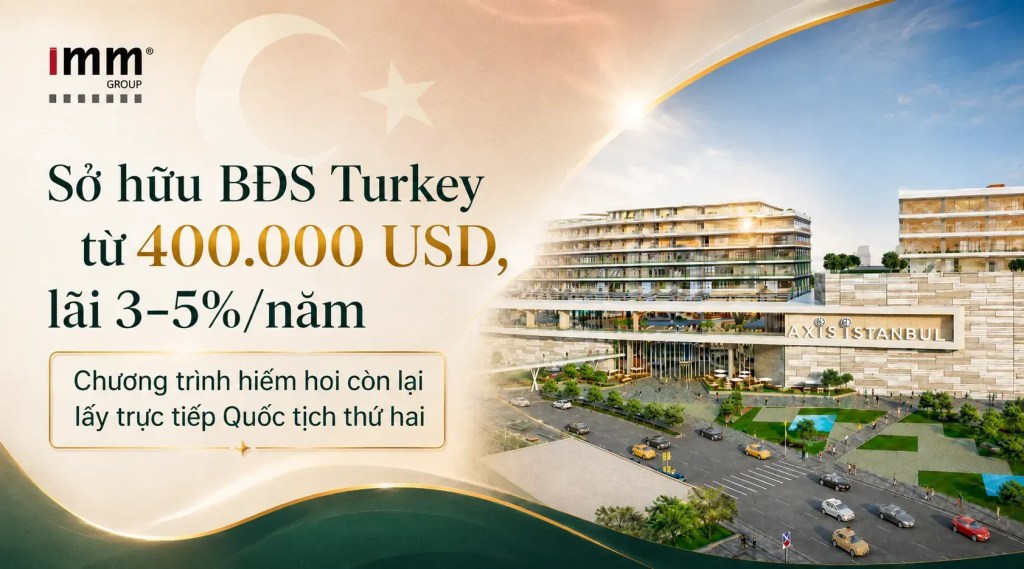
In Türkiye, the program requires a minimum real estate investment of US$400,000 (which can be spread across several properties). The investor and eligible family members are granted citizenship directly, and the Turkish passport currently offers visa-free or eVisa access to more than 110 countries and territories.
7. Tax advantages for investors
Many countries actively use tax policy as a strategic lever to attract foreign capital, giving investors room to plan and optimize their wealth on a global scale. Well-designed strategies usually rest on three main pillars:
- Optimizing personal income tax: many countries offer special preferential tax regimes to attract foreign residents. A typical example is the non-domiciled (“non-dom”) regime in Greece or Cyprus, which offers qualifying residents preferential rates or exemptions on certain foreign-source income.
- Inheritance tax planning: passing wealth to the next generation is a top priority. Choosing a country with favorable inheritance tax rules, such as Cyprus (which currently levies no inheritance tax), is a smart way to help preserve the family estate.
- Leveraging double taxation agreements: using the treaty between your country of residence and the host country to avoid being taxed twice on the same income.
8. Opportunities to expand a business and reach new markets
Residence rights or second citizenship can be a lever for business expansion. Investors can more easily set up a company and trade within the EU’s market of 450 million people, or reach other promising markets.
Owning property in Europe: an asset base and residence rights

Elysia Blu luxury apartments (Cyprus)
Investment programs tied to full ownership of real estate let investors build tangible assets while securing stable residence rights:
- Greece Golden Visa: own property from €250,000 (depending on the location and type of property) to obtain a residence permit.
- Cyprus permanent residence: own property worth at least €300,000, which comes with permanent residence rights.
The strength of these programs is that you hold a tangible asset with a transparent market value, combined with opportunities to do business and live long term in Europe.
Notably, a real estate investment of at least US$400,000 under the Turkish citizenship by investment program opens a direct path to citizenship, with solid legal rights and global opportunities for you and your eligible family members.
| See full details of the Turkish citizenship by investment program
Caribbean real estate investment: a second citizenship and global freedom of movement

InterContinental Grenada Resort project
Unlike the European programs, many Caribbean programs grant citizenship through investment in government-approved real estate projects, in the form of shared ownership or an economic interest in the project. Investors typically do not hold full title to an individual property, but in return they gain a strong passport and the flexibility to travel globally.
The advantages of this group are fast processing, permanent citizenship, and visa-free access to roughly 140–150 or more countries, making it well suited to entrepreneurs who need international mobility and want to protect their wealth rather than settle long term.
Notable programs include Dominica citizenship and St. Kitts & Nevis citizenship. The Grenada citizenship program stands out in the Caribbean for its strong passport, with visa-free access to China, the Schengen Area, and the UK, and for its flexible investment options through real estate or a government fund.
| See full details of Grenada’s citizenship by investment program
IMM Group: your strategic partner in investment migration
The global investment and citizenship landscape is constantly changing and increasingly complex. Investors need an advisory partner that not only helps build a strong application but also serves as a reliable anchor for the family’s future. That is why, across all our global investment and citizenship solutions, IMM Group sets itself apart as a strategic advisory partner, working alongside you with experience and integrity.
IMM Group is a pioneering, long-established firm with more than 21 years of hands-on experience in Vietnam. We are not salespeople, and we do more than advise: we design global investment and citizenship solutions built on:
- Rigorous due diligence and risk management: Our experience successfully handling hundreds of cases, including complex ones, enables us to conduct multi-layered project due diligence and protect investors’ interests rigorously, even during market crises.
- In-depth professional consulting and full transparency: Every IMM Group advisor and case manager holds an investment migration advisory certification from the Investment Migration Council (IMC). Our team analyzes benefits and risks in full, so you can make decisions based on complete and accurate information. We put our clients’ long-term interests first.
- Integrity and commitment every step of the way: Guided by our philosophy, “Serving with Authentic Values,” IMM Group stays with you from the first step until you have settled in your new country. Integrity is our foundation, reflected in our readiness to stand up for clients’ interests and to proactively refund service fees when risks beyond the client’s control arise, as set out in the contract.
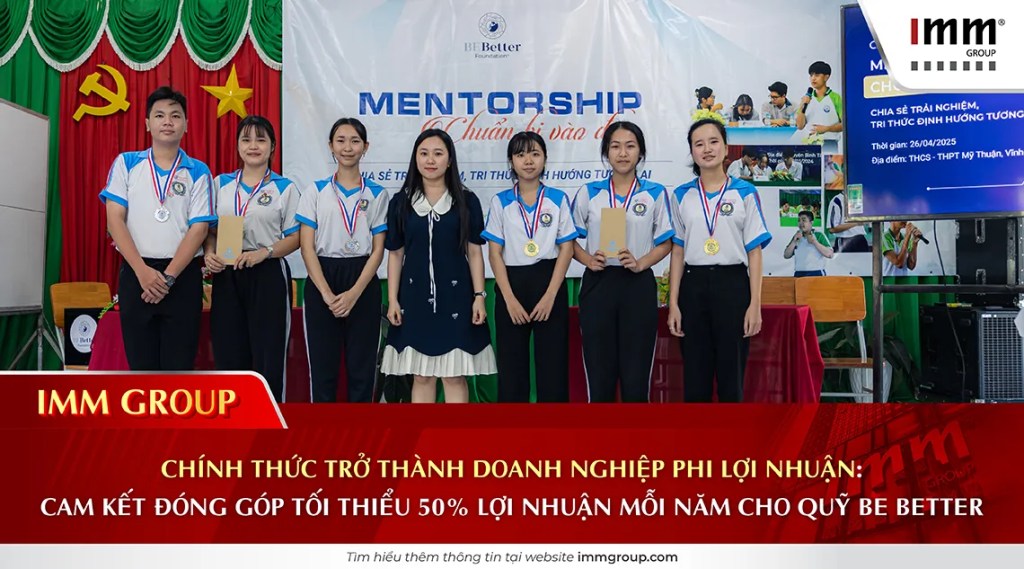
- Giving back: Since 2025, IMM Group has operated as a nonprofit enterprise, committing at least 50% of its annual profits to the Be Better Fund. By choosing IMM Group, you join us in supporting meaningful initiatives and the social responsibility and human values we pursue.
If you are interested in global investment and citizenship programs, you can contact IMM Group or leave your details below. Our experienced advisors will provide detailed guidance and help assess the prospects of your application. We are committed to keeping your personal data confidential and will use the information you provide solely to advise on your family’s application.
IMM Group
- Tags:
- residency by investment
- international real estate
- Greece Golden Visa
- Turkish citizenship
- Cyprus permanent residence
Was this article helpful?
151