


Two USCIS approved EB-5 projects with I-956F, exclusive to IMM Group: a U.S. green card pathway before the 2027 increase
A Form I-526E that U.S. Citizenship and Immigration Services (USCIS) receives before January 1, 2027 still falls under the US$800,000 minimum that applies in a Targeted Employment Area (TEA). When you choose among USCIS approved EB-5 projects — those that already hold I-956F approval — you have firmer ground for judging the project's structure and legal status, and can concentrate on the investment documentation and the evidence of your source of funds.
Updated November 2026Why does the minimum investment rise in 2027?
Under the EB-5 Reform and Integrity Act of 2022 (RIA), the minimum investment is adjusted automatically for inflation from January 1, 2027, and every five years thereafter.
The new amount applies to petitions filed from that date and remains in place until the next adjustment on January 1, 2032. December 31, 2026 is therefore the last day for USCIS to receive a petition at the US$800,000 minimum in this cycle.
I-956F and I-526E: what are they, and how do they differ?
I-956F and I-526E are the two filings that matter most in a regional center EB-5 case, and they sit at two different levels of review.
| Form I-956F — the project filing | Form I-526E — the investor filing | |
|---|---|---|
| Who files it? | The regional center | The investor |
| What does USCIS review? | The business plan, capital structure and job creation plan | The lawful source of funds and the path of funds |
| What does approval not mean? | That your Form I-526E will be approved, or that the capital will be repaid | That you hold a 10-year green card — you still have to file Form I-829 to remove the conditions |
From choosing a project to filing Form I-526E
Choose the right project
Measure the project's legal status, capital structure and progress against your family's goals.
Assess your family's profile
Establish whether your family's circumstances fit the program.
Document the source of funds
Prepare the evidence showing the lawful origin of the invested capital.
Prepare the US$800,000 capital
Arrange the investment capital at the minimum currently in effect, following the project's instructions.
File Form I-526E
PETITIONS RECEIVED BEFORE JANUARY 1, 2027: US$800,000 MINIMUM
USCIS adjudication
In the EB-5 program, Form I-956F is the project's application for approval, while Form I-526E is the investor's immigrant petition. A project that already holds USCIS approval of I-956F carries a meaningful advantage: it has cleared an important stage of review, which puts you in a better position to concentrate on your source of funds documentation and your own eligibility.
Two EB-5 projects offered exclusively through IMM Group in Vietnam
Both projects hold USCIS approval of I-956F and are offered exclusively through IMM Group in Vietnam.
Haven Residences — a mixed-use residential and retail community in Rancho Cucamonga
The project has already created the jobs required for all of its EB-5 investors. Every building has received a Temporary Certificate of Occupancy (TCO), and more than 115 apartments are leased.

Location and scale
248 apartments with retail space. About 30 minutes from downtown Los Angeles, close to the I-10 and I-15 freeways.
Capital structure and oversight
The developer contributes about 52% of the total capital. The EB-5 capital holds a first-position lien over all of the project's assets. IMM Management oversees how the capital is used, acting in the investors' interests.
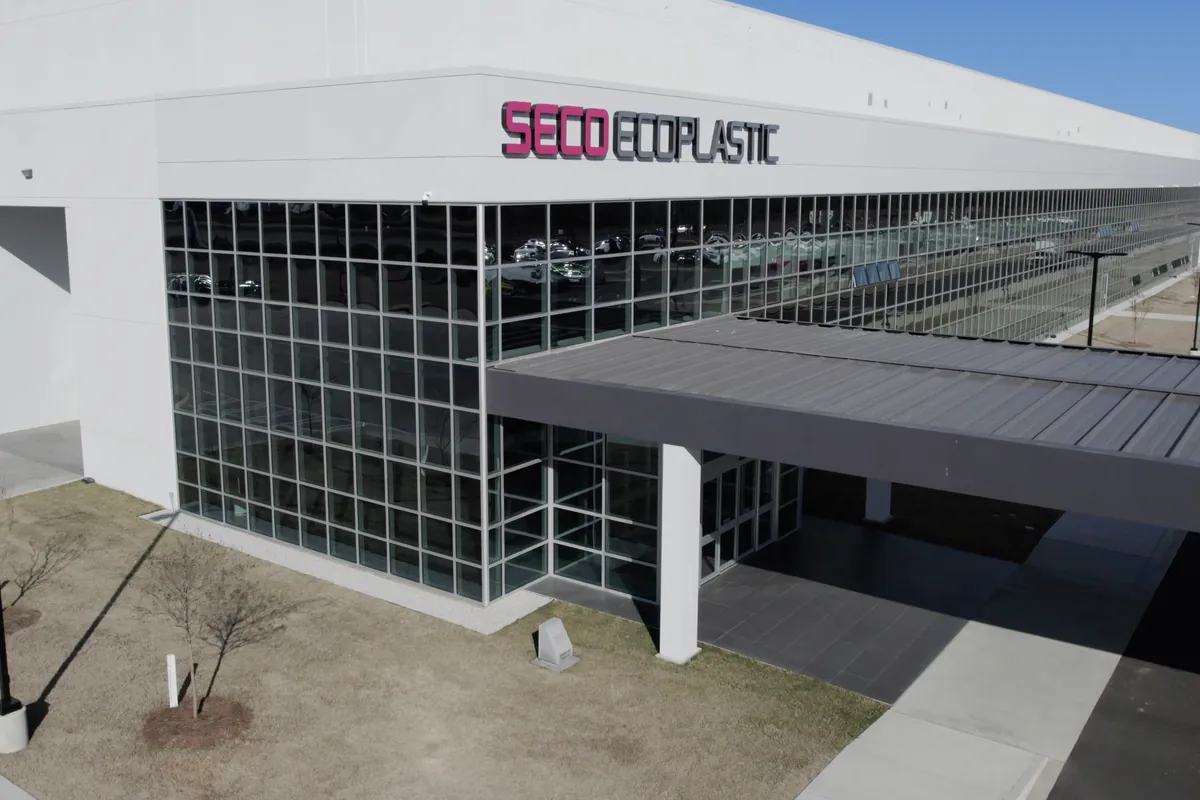
Ecoplastic — an auto parts plant in the Hyundai and Kia supply chain
This is a rural project: 20% of the annual EB-5 visas are set aside for that category, and Form I-526E petitions receive priority processing. Phase 1 of the plant is in production; Phase 2 is near completion, with trial operation expected in late 2026.
Production and output
It has been a Tier 1 supplier to Hyundai and Kia since 1984, shipping parts to their plants in Georgia and Alabama.
Capital structure and guarantees
Three layers of guarantee on the loan, led by Ecoplastic Corporation (listed on KOSDAQ in South Korea), which guarantees 100% of the loan and maintains a minimum net worth of US$200 million.
How do Haven Residences and Ecoplastic differ?
| Project | Haven Residences | Ecoplastic Fund VII |
|---|---|---|
| Asset type | Mixed-use residential | Auto parts plant |
| Project category | Targeted Employment Area (TEA) | Rural TEA, with priority processing |
| Developer capital | About 52% | About 30% |
| Jobs vs requirement | About 3.6 times | About 2.25 times |
| Lien position of the EB-5 capital | First position over all project assets | First position over the real estate, plant, machinery and equipment |
What do both projects with I-956F approval have in common?
The same US$800,000 investment
Both are in a Targeted Employment Area, so both qualify for the US$800,000 minimum.
USCIS approval of Form I-956F
USCIS has already reviewed the project's business plan, capital structure and job creation plan. Your family can then focus on documenting the source of funds.
Progress reported as it happens
Haven Residences: every building has received a Temporary Certificate of Occupancy and residents are moving in. Ecoplastic: near completion, with operation expected in late 2026.
Strong coverage of the job requirement
Haven Residences: about 3.6 times; Ecoplastic: about 2.25 times. Job creation is one of the conditions reviewed at the Form I-829 stage.
First-position lien
Haven Residences: over all project assets. Ecoplastic: over the plant and machinery, granted in stages as disbursements reach US$20 million and US$40 million.
Loan guarantees
Haven Residences: the developer provides a guarantee secured by personal assets. Ecoplastic: the listed company guarantees 100% of the loan.
The January 1, 2027 adjustment bears directly on the amount of capital required. But choosing the right project and assembling complete evidence of your source of funds matter just as much to how smoothly your immigration plan proceeds. Every family's circumstances are different, and IMM Group is ready to go through your file with you and assess whether you can file at the US$800,000 minimum before the new rule takes effect.
Request a consultation
IMM Group is delighted to be of service. Please leave your details below,
and an IMM consultant will contact you with detailed advice and help assess your application’s chances of success.
We are committed to protecting your personal data and will only use it to advise on your family’s application.


