


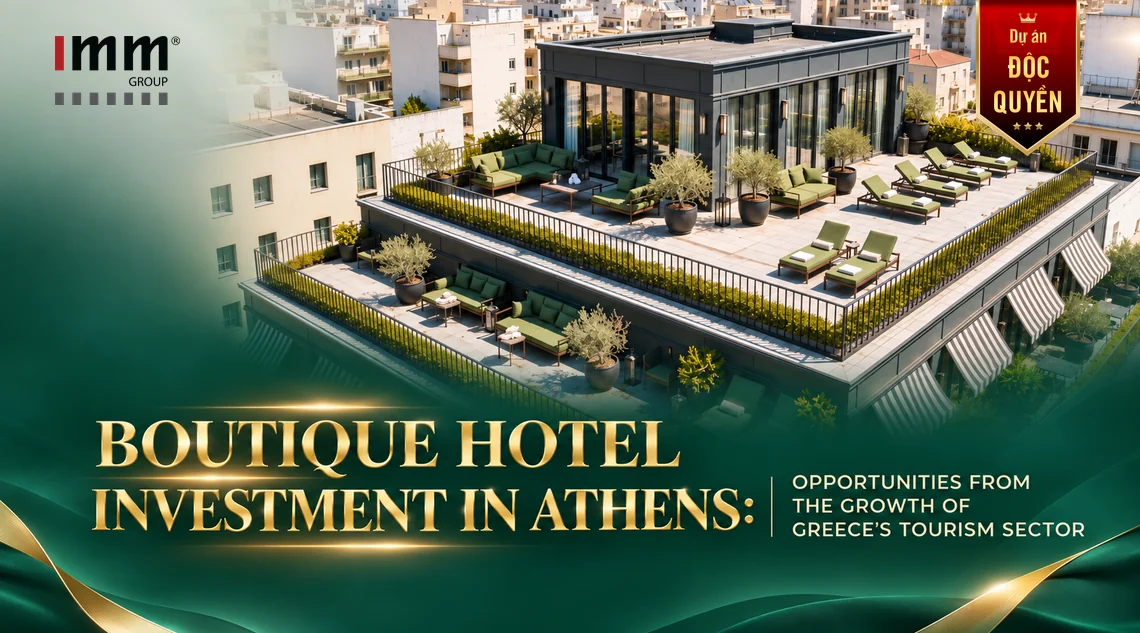
Boutique Hotel Investment in Athens: Opportunities from the Growth of Greece's Tourism Sector
As tourism continues to grow, centrally located properties with distinctive architectural value and commercial potential are opening up noteworthy investment prospects.
Greece has long been one of Europe's best-known travel destinations, drawing visitors with its historical heritage, culture and Mediterranean landscapes. As tourism continues to grow, Athens is strengthening its position not only as a gateway to the Greek islands but also as a destination in its own right. This growth creates favorable conditions for the hospitality real estate market, especially boutique hotels in the center of the capital.
Greek Tourism: The Growth Foundation of the Hospitality Real Estate Market
According to official data from the Bank of Greece, in 2025 the country welcomed more than 43 million international visitors, generating tourism revenue of approximately €23.6 billion, up 9.4% from the previous year.
These figures do not merely reflect the appeal of a tourist destination. More notably, revenue grew faster than visitor numbers, indicating an improvement in the economic value generated by tourism activity.
For the real estate market, this trend matters. As tourism develops, demand for accommodation, services and experiences also expands, allowing well-located properties to be put to commercial use more effectively.
However, the opportunity lies not only in having more visitors. The market is placing growing emphasis on the quality of the experience, convenience and distinct identity of each place to stay. These are also the factors driving the development of the boutique hotel model in culturally rich cities such as Athens.
Athens: The Appeal of a Year-Round Destination
While Santorini and Mykonos are known for seaside holidays on the Mediterranean, Athens offers a different experience: a city where thousands of years of history sit within the rhythm of modern urban life.
From the Acropolis, museums and old quarters to its restaurants, shopping and cultural activities, Athens serves many types of visitors: heritage sightseeing, short getaways, business travel, or combining a city stay with trips around Greece.

This diversity allows Athens to attract visitors almost year-round, not just in summer, unlike many beach resort destinations that depend heavily on seasonality.
According to a survey by the Athens–Attica and Argosaronic Hotel Association, average hotel occupancy in 2025 reached 77.1%, with demand also improving during the traditional low-season months.
These results show that Athens has formed an accommodation market with considerable demand, one that is gradually expanding its capacity to operate year-round.
For real estate investors, this is a factor worth noting. A destination with many drivers of visitor demand creates more favorable conditions for hotel operations, although actual performance still depends on the quality and operating capability of each project.
Boutique Hotels: When the Experience Becomes the Differentiator
The growth of modern tourism has not only increased demand for rooms but also changed how travelers choose where to stay.
Alongside large international hotel brands, many travelers look for places with their own identity, refined design, personalized service and a connection to local culture.
These are the defining features of the boutique hotel model.
Unlike mass-market accommodation, boutique hotels typically focus on the quality of the experience rather than competing on scale alone. A historic building that has been suitably restored, a space with its own design story, or a convenient location in the heart of the city can each become an advantage in attracting guests.

In Athens, the trend of converting existing buildings into boutique hotels is especially notable. The city has many historic buildings, and well-located real estate in the center is not easily replaced.
Preserving and upgrading these buildings not only helps safeguard their architectural value but can also create a distinctive accommodation product that meets the needs of travelers who care about quality and experience.
It is this combination of location, architectural character and professional service that gives boutique hotels their competitive advantage.
Investment Value Lies Not Only in the Property but in Its Operating Potential
For investors, hotel real estate has a notable characteristic: the value of the asset is tied to its capacity for commercial operation.
A property in a central location can hold a long-term advantage in access to visitors. When suitably renovated and professionally operated, the asset may also have the opportunity to generate income from hospitality operations.
This is what sets it apart from owning a property solely to wait for appreciation.
However, not every hotel delivers the same investment performance. As the supply of accommodation in Athens continues to grow, competitiveness will increasingly depend on the quality of the building, product positioning, investment costs and the capability of the operator.
For international investors who are not directly involved in managing the hotel, the operating model and the mechanisms that protect the owner's interests need to be carefully evaluated.
Therefore, an investment opportunity worth considering is not simply a hotel in a famous tourist city, but an asset with a suitable location, a differentiated product and a clear commercial operating plan.
Athena Arts House: Heritage Value Within the Boutique Hotel Trend in Athens
Against this backdrop, Athena Arts House is a notable project in the Omonia area, in the center of Athens.
Developed from a historic hotel building dating back to 1912, Athena Arts House is planned to be preserved and restored as an upscale boutique hotel with 60 suites, in a Quiet Luxury style: refined, understated and focused on a private guest experience.
The project combines elements that the hospitality market is paying attention to: a convenient central location, architecturally distinctive value and a professional hotel operating approach.
In particular, as Omonia attracts capital investment into hotels and property renovation, Athena Arts House has the opportunity to benefit from the area's overall development, in addition to the building's own value.
The appeal of Athena Arts House therefore comes not only from owning real estate in Athens but also from the potential to operate a heritage building in a growing tourism market.
For families looking for international real estate investment opportunities, this is an approach worth considering: combining the value of an existing asset with long-term commercial prospects, on the basis of full due diligence on legal, financial and operational factors.
Contact IMM Group to learn more about Athena Arts House, the investment model and the project's hotel operating approach.
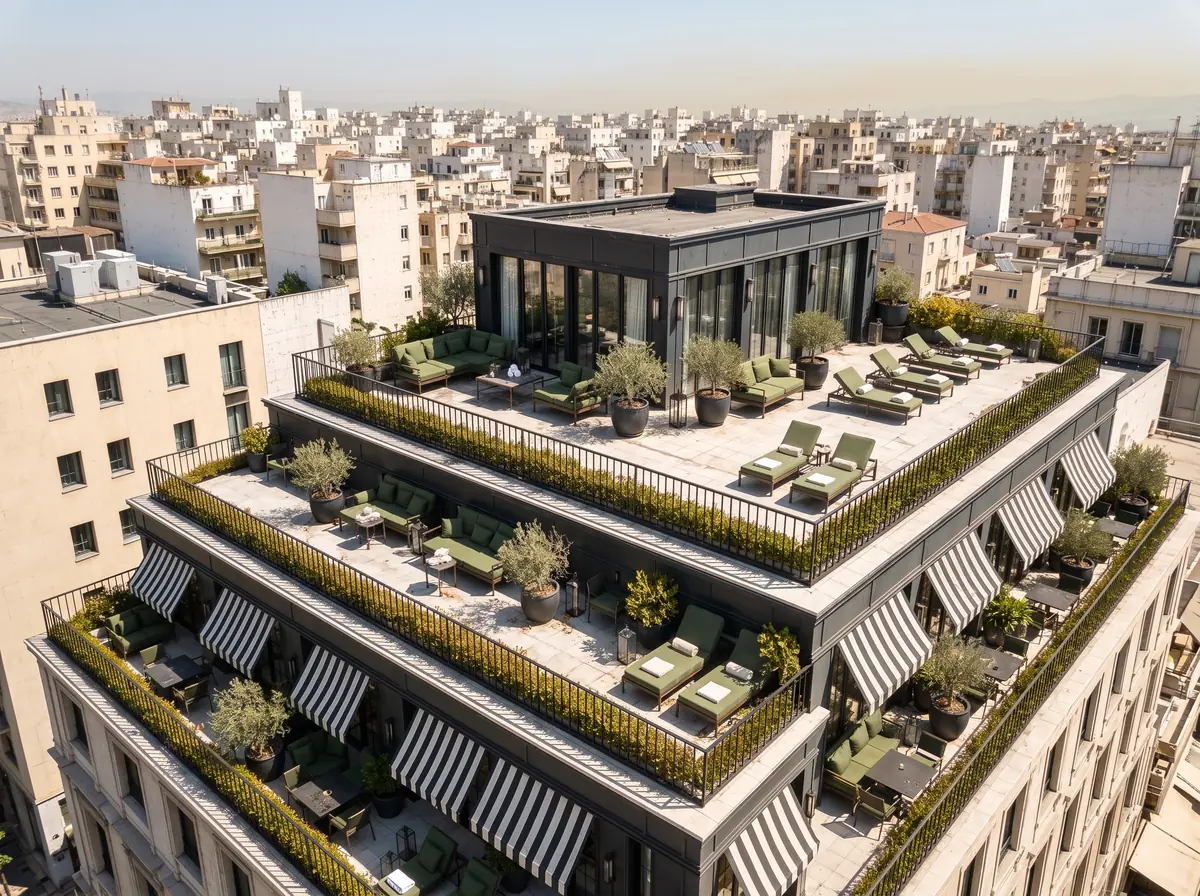 Athena Arts House
Upscale hotel in central Athens – Golden Visa route at €250,000
Minimum investment €250,000
View project details
(*) Offered exclusively through IMM Group.


